 (Image via
Choosing an airline for a long-haul flight can feel like a major decision. Do you go with a familiar full-service carrier that promises comfort, or does the low base fare of a budget airline catch your eye? The right answer depends entirely on what you value most in your travel experience. Get ready to explore the key differences and decide with confidence.
The choice between a budget airline and a full-service carrier for long-haul travel comes down to a trade-off between cost and comfort. By understanding what is included—and what isn’t—you can make an informed decision that fits your budget and travel style. We’ll dive into costs, comfort, service, and those all-important extras. By the end, you'll be able to pick the perfect airline for your next big adventure.
The True Cost: Base Fare vs. The Extras
Full-service carriers like Delta, Emirates, or Singapore Airlines operate on a bundled model. Your ticket price typically includes a checked bag, a carry-on, seat selection, meals, drinks, and in-flight entertainment. It's a more inclusive approach where the price you see is closer to the price you’ll pay.
Budget airlines, such as Norse Atlantic, LEVEL, or ZIPAIR, take an "unbundled" approach. They offer a very low base fare that covers your seat and a small personal item. Everything else is an extra charge, often called an ancillary fee. This includes choosing your seat, checking a bag, bringing a standard carry-on, and even getting a meal or a drink on board.
For example, a flight from New York to Paris might be advertised for $250 on a budget airline, while a full-service carrier lists it at $500. However, after adding a carry-on bag for $60, a checked bag for $80, a meal for $30, and a seat assignment for $40 to the budget ticket, the total cost could jump to $460. The price difference suddenly becomes much smaller, highlighting the importance of calculating your total cost before you book.
Comfort and Onboard Experience
When you’re in the air for eight hours or more, comfort is a huge factor. This is where the differences between airline types become very apparent.
Seat Pitch and Space
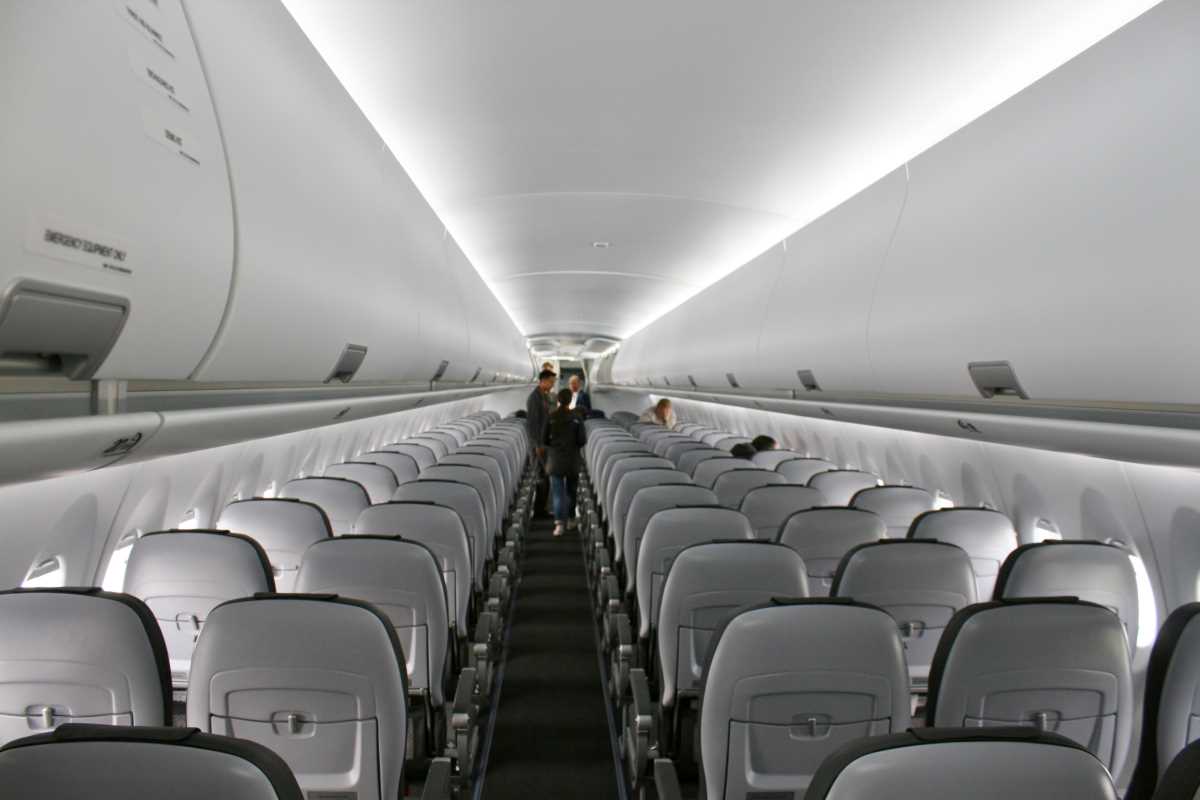
Full-service carriers generally offer more legroom. The distance between your seat and the one in front of it, known as seat pitch, is usually around 31-32 inches in economy. Budget airlines often configure their planes with more seats, reducing the pitch to as little as 28-29 inches. A few inches might not sound like much, but it can make a significant difference in your comfort on a long flight.
In-Flight Entertainment and Wi-Fi
On a full-service airline, you can almost always expect a personal screen at your seat with a library of movies, TV shows, and music. Wi-Fi is also increasingly available, sometimes for a fee. Budget carriers, on the other hand, often skip seatback screens to save weight and cost. You’ll need to bring your own entertainment on a tablet or phone. Wi-Fi, if offered, is almost always a paid extra.
Onboard Service and Meals
A key feature of full-service carriers is the complimentary meal and drink service. On a long-haul flight, this usually comes with at least one hot meal, snacks, and a range of beverages. With a budget airline, you'll pay for everything. You can purchase food and drinks, but the selection may be more limited. A great tip is to bring your own snacks and an empty water bottle to fill up after security to save money.
Baggage, Fees, and Flexibility
Navigating airline policies on baggage and changes can be tricky. This is an area where a little planning goes a long way.
Full-service airlines typically include at least one checked bag (usually up to 50 lbs or 23 kg) in the standard economy fare for international flights. Budget airlines almost never do. You will pay for every checked bag, and often for a full-sized carry-on as well. These fees can add up quickly, so it's essential to check the airline’s policy before you get to the airport.
Change and cancellation policies also differ. While no airline makes it easy to change a non-refundable ticket, full-service carriers may offer more flexible options or a future travel credit. Basic economy fares on budget airlines are often completely non-refundable and non-changeable, meaning you could lose the entire value of your ticket if your plans change.
Reliability and Handling Disruptions
What happens when things go wrong? An airline’s ability to handle irregular operations (IRROPS), like weather delays or mechanical issues, is a critical point of difference.
Full-service carriers generally have large fleets and partnership agreements with other airlines. If your flight is canceled, they have more resources to rebook you on another one of their flights or on a partner airline. This can be a lifesaver when you need to get to your destination.
Budget airlines operate with leaner fleets and fewer partnerships. If a flight is canceled, they may only have one other flight to your destination that day, or even the next. This can lead to significant delays. They are less likely to have "interline agreements," which means they can't book you on a competing airline.
Loyalty Programs and Earning Miles
For frequent travelers, loyalty programs are a big deal. Full-service carriers are almost always part of a major airline alliance (Star Alliance, oneworld, or SkyTeam). This allows you to earn and redeem miles across a vast network of airlines, opening up a world of travel possibilities.
Most budget airlines have their own standalone loyalty programs, if they have one at all. The points you earn can only be used on that specific airline, and the redemption options might be more restrictive. If earning frequent flyer miles for future trips is important to you, a full-service carrier is the clear winner.
When Does Each Option Make Sense?
So, how do you choose? Here are a few real-world scenarios to guide you.
Choose a budget airline if:
- You are a light packer who can travel with only a personal item.
- Your travel dates are fixed, and you are confident your plans won't change.
- You prioritize the lowest possible cost and are willing to forgo in-flight comforts.
- You are flying to a destination served directly by the budget airline and don't need to make connections.
Choose a full-service carrier if:
- You need to check a bag or bring a full-sized carry-on.
- You value comfort, including more legroom and in-flight entertainment.
- You want the peace of mind that comes with better support during delays or cancellations.
- You are a member of a frequent flyer program and want to earn miles for your trip.